I recently received a HIX bypass review notice and I’m confused about what triggered it, what documents I need to provide, and how it could affect my coverage or eligibility. Can someone explain how the HIX bypass review process works, what common issues cause it, and what steps I should take to resolve it as quickly and safely as possible?
HIX Bypass AI Humanizer Review
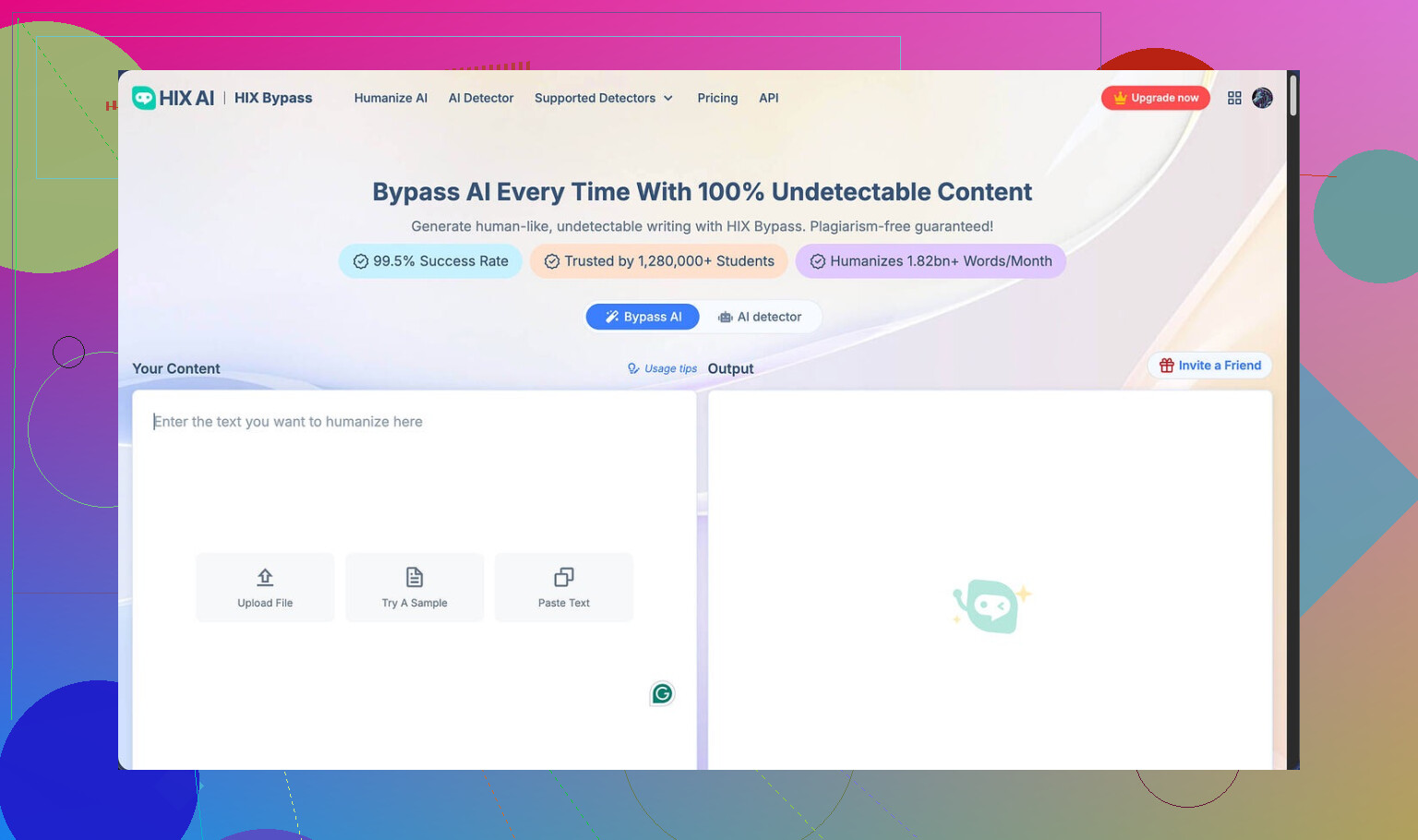
I tried HIX Bypass because the front page looked serious. Big bold “99.5% success rate” claim, university logos (Harvard, Columbia), Shopify logo, the usual credibility dressing. The link I first saw it from was here:
Once I ran my own tests, the shine came off fast.
I took two different AI-written samples and pushed them through HIX Bypass, then checked the results across detectors.
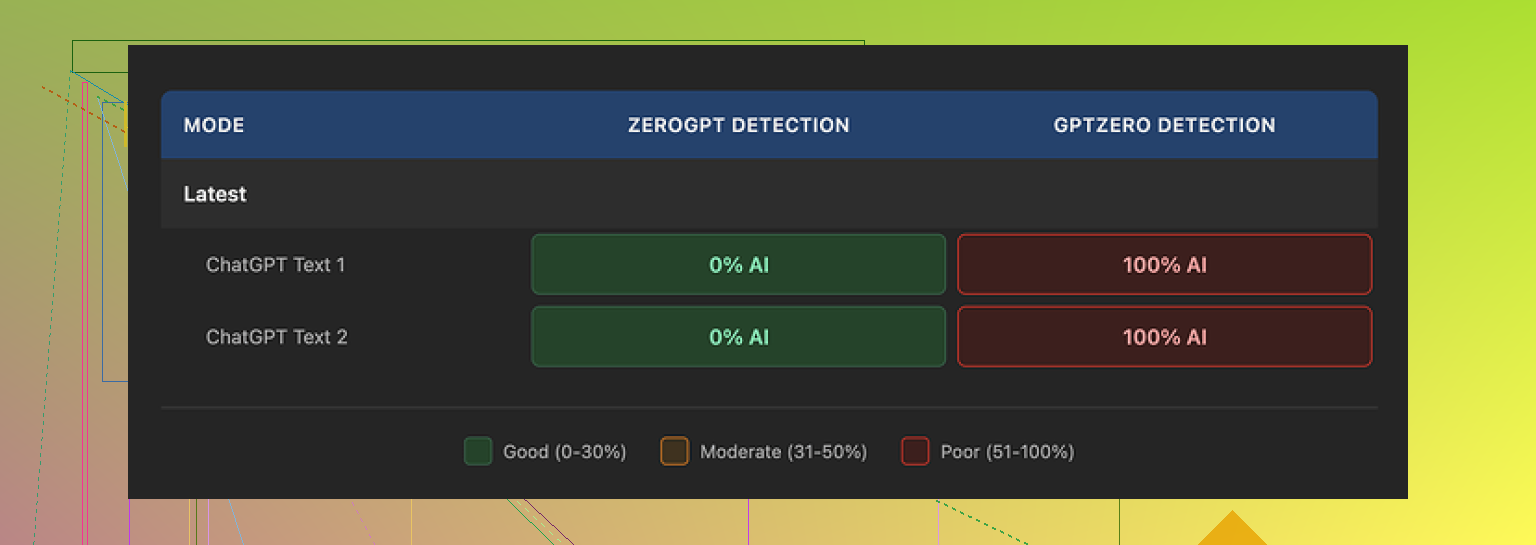
Here is what happened:
• ZeroGPT said both samples were fine, fully human.
• GPTZero went the opposite direction and labeled both outputs as 100% AI.
• Inside HIX Bypass, their built-in detector dashboard confidently claimed “Human-written” across most tools, including for cases where GPTZero slammed it as AI-generated.
So the detector panel felt more like a sales screen than a diagnostic tool.
Quality of the rewrites
If the detection side was inconsistent, the writing side was worse. I would score it maybe 4 out of 10. Here is why.
• It kept em dashes all over the text, even in spots where a basic rewrite should have removed or rephrased them.
• One output had a broken sentence fragment in the middle, like the model glitched and forgot to complete a thought.
• Another sample wrapped an entire sentence in square brackets for no reason:
[The full sentence looked like this.]
That sort of thing throws red flags for instructors, editors, and reviewers who know how AI output tends to fail.
The goal with a “humanizer” is usually to make something pass as normal writing. This felt more like a rough pass from a rushed paraphraser.
Limits, pricing, and refund catch
The free tier gives you 125 words per account. That is not enough to get a strong feel for how it behaves on different types of text. You run two short paragraphs and you are done.
The refund setup is where I raised my eyebrow.
• They advertise a 3‑day refund window.
• The refund is only valid if you stay under 1,500 words processed.
So if you try to test the tool in any serious way, you blow past 1,500 words fast and lose refund eligibility. It nudges you to either not test properly or accept the charge.
The price looks cheap at first glance. The “Unlimited” yearly plan comes out to about 12 dollars per year. On paper, that is nothing for a frequent user.
Then I read the terms of service.
Two things jumped out:
-
They reserve the right to change your usage limits after you have already paid.
So “Unlimited” is more of a marketing label than a guarantee. -
They give themselves wide rights over the content you upload.
This includes using your text in ways they decide on, depending on their policies.
If you are on the free tier, it gets even more specific. Inputs from free users might be fed back into their AI training. If you deal with client material, school work, or anything sensitive, that is not great.
Comparison with another tool
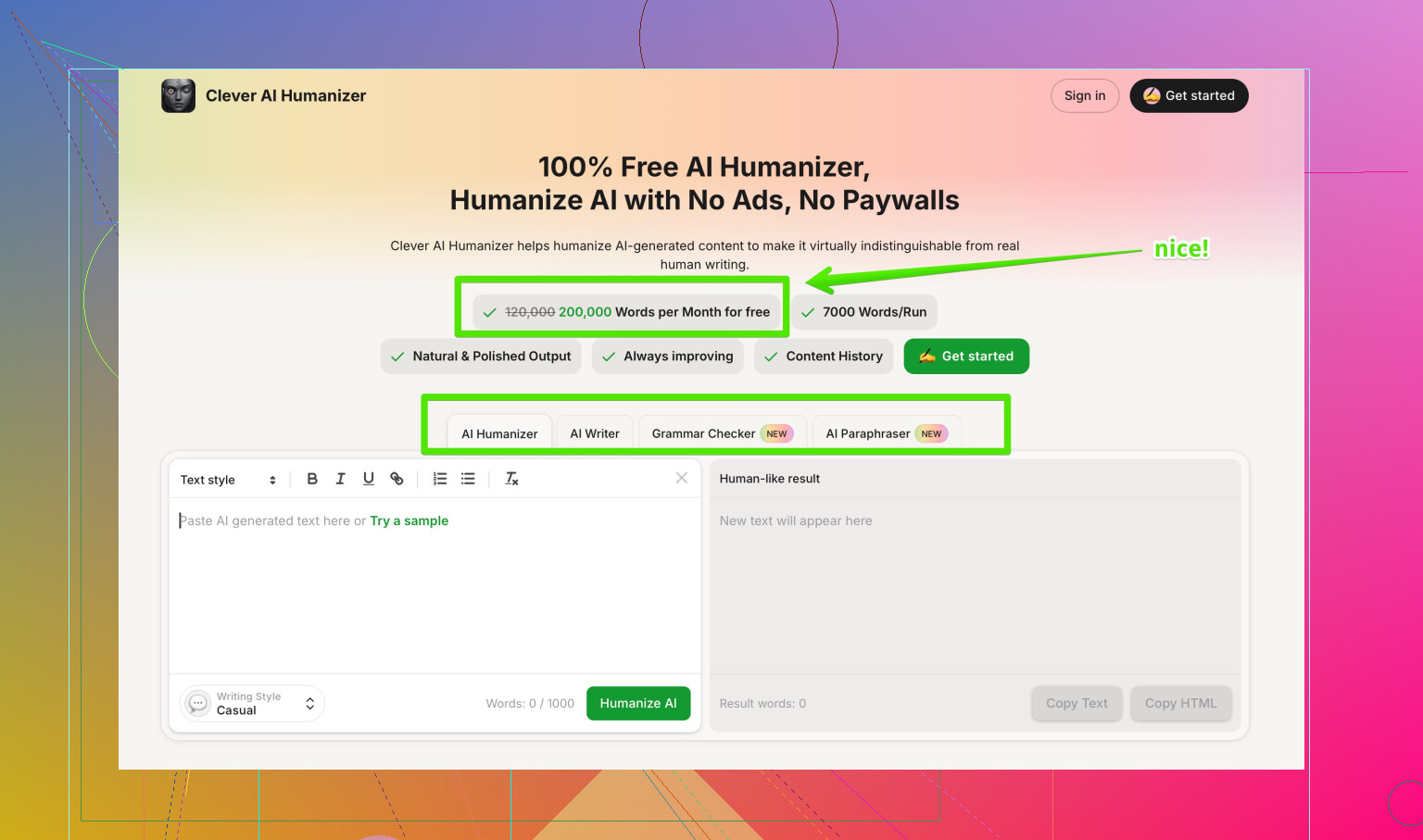
After poking around several humanizers, I ended up trying Clever AI Humanizer too. Same basic workflow. I fed in similar AI-written samples and checked again across detectors.
Results for that one were noticeably better for me:
• The rewrites looked closer to how a rushed but real person might write.
• Detector scores were higher on the “human” side on the same tests.
• No weird bracketed sentences or broken fragments in my runs.
• It did not cost anything when I used it.
So if you are thinking of paying for HIX Bypass because of the success rate claim and logos on the front page, I would slow down. Run your own tests, keep an eye on the refund word cap, and actually read the terms, especially if you work with anything that should not end up in someone’s training data.
Right now, for my use, Clever AI Humanizer gave me stronger results without the awkward quirks and without a paid plan.
1 Like
HIX bypass review notices confuse a lot of people, so you are not the only one staring at that letter thinking “what triggered this.”
First, quick note on @mikeappsreviewer. Their breakdown of HIX Bypass as an AI humanizer is useful if you care about AI text detection, but your HIX bypass review notice from the health insurance marketplace is a different thing. The name overlap is annoying.
Here is what is going on with your notice and what you should do.
- What usually triggers a HIX bypass review
A HIX bypass review usually means your state Medicaid agency or marketplace wants to double check if you belong on Medicaid or CHIP, or if you should go through the Health Insurance Exchange instead.
Common triggers:
• Income data from your application does not match what they pull from IRS, state wage records, or employer reports.
• Someone in your household started or stopped a job.
• You reported self employment income or irregular hours.
• Your immigration or citizenship status needs extra verification.
• Your age or disability status might place you on a different program.
• A random quality control audit in some states.
None of those automatically mean denial. It is a flag for “we need proof.”
- What documents they usually want
Always follow the list in your notice first, but these are the most common:
Income:
• Last 4 weeks of pay stubs for each job.
• If paid monthly, 1 or 2 recent pay stubs.
• If self employed, most recent tax return plus a year to date profit and loss or invoices and bank statements.
• If no income, a written statement of no income, sometimes an affidavit form they provide.
Employment changes:
• Termination letter or layoff notice.
• New hire letter that shows start date, hours, and pay rate.
• If hours dropped, a letter from employer or updated schedule.
Citizenship or immigration:
• U.S. passport, naturalization certificate, or birth certificate with ID.
• Green card, work permit, or other DHS document if you are a qualified noncitizen.
• Sometimes they cross check SAVE and only ask you to send copies if their data does not match.
Household and residence:
• Lease, mortgage statement, or recent utility bill with your name and address.
• If someone moved in or out, they might ask for marriage certificate, divorce decree, or custody documents.
Health or disability, for some bypass cases:
• Social Security disability award letter.
• Any state disability determination notice.
- How it affects your coverage and eligibility
Short version:
• If you respond on time with clear documents, your coverage usually continues or shifts to the correct program without a gap.
• If you ignore it or send incomplete stuff, your plan might end or switch to a less favorable one.
Possible outcomes:
• You stay on Medicaid or CHIP.
• You get moved to a marketplace plan with APTC and CSR if your income is a bit higher.
• If they think your income is too high even for marketplace help, they can cut off financial help and leave you with full price coverage.
• Retroactive changes. If they decide your income was different for past months, they might adjust back to the date they think the change started, which sometimes leads to new premium amounts or requests to repay excess APTC at tax time.
If you already have a marketplace plan:
• A bypass review can delay your enrollment if they are checking Medicaid eligibility first.
• In many states they must clear Medicaid eligibility before locking in marketplace financial help for some groups, especially kids and pregnant people.
- How to respond step by step
Action plan:
• Check the due date on the notice. Put it on your calendar. Late responses hurt you.
• Read the “What you must send” section line by line. Match each bullet to a document.
• If you are missing something, call the number on the letter and ask what alternative proofs they accept.
• Label your uploads or fax pages with your case number and name on every page.
• Keep copies of everything you send, including confirmation pages or fax receipts.
• If they give you both fax and online upload, use the portal if it works, since you get instant confirmation.
If you do not agree with the decision after the review:
• You have appeal rights. The notice must explain how to file an appeal and the deadline.
• Ask if you can keep coverage “pending appeal” so you do not end up uninsured during that process. Some states allow this if you appeal quickly.
- A cleaner version of your topic for search and clarity
“HIX Bypass Review Notice: What Triggers It, Required Documents, and Impact on Coverage
I received a HIX bypass review notice related to my health insurance and I am unsure why it happened. I want to know what usually triggers a HIX bypass review, what documents I should prepare, and how this review might affect my eligibility, premiums, or current coverage. I am looking for a clear explanation of the process so I do not miss deadlines or lose my plan.”
- Quick note on AI content and HIX letters
If you plan to respond in writing online or send appeal letters and you use AI tools to help with wording, be careful with anything like HIX Bypass as a “humanizer.” As @mikeappsreviewer pointed out, the outputs can trip some detectors and have odd formatting. For cleaner, more natural text, I have seen better and more consistent results with Clever AI Humanizer. You can try it here: make your AI text sound more natural.
Do not send AI generated personal info to any public tool though. For the actual forms and evidence, stick to your own words and official documents.
If you want to share the exact wording of one or two key lines from your notice, people on the forum can often tell you which documents match what they are asking for.
You’re getting two totally different “HIX bypass” worlds mixed together, which is part of why this feels so confusing.
- On the health insurance side
Your HIX bypass review notice is about whether you belong on Medicaid / CHIP or on a Health Insurance Exchange plan, like @reveurdenuit laid out. I mostly agree with their breakdown, but I would not assume it is always “just a random QC check.” In a lot of cases it is triggered by a pretty specific data mismatch, especially income or immigration status. When I have seen these in practice, the most common root cause was:
- State wage data shows you made more or less than what you wrote on the app
- Self employment income that swings month to month
- Household size looking off compared to prior years
What I usually suggest to people is:
- Grab the notice and highlight every line that says “you must send” or “we need proof of.” Do not over send random stuff. Too much junk slows them down.
- For income, match the period they care about. If they say “last 30 days,” send exactly that, not a whole year of bank statements.
- If something truly changed mid month, add a short cover note in your own words explaining the change. Humans actually read those. Bad AI sounding text can confuse things.
The impact on coverage is pretty binary:
- You respond on time with exactly what they ask. They either keep you on your current program or move you to the correct one with minimal drama.
- You do not respond or send partial docs. Then the system defaults to “we cannot confirm, so we close or adjust coverage.”
Where I slightly disagree with what was said earlier: some states are not very generous with appeals holding coverage. I would not just “assume” you can keep coverage pending appeal. Call or check the notice language carefully. It matters a lot if you are on Medicaid vs marketplace APTC.
- On the AI / “HIX Bypass” tool side
Totally separate topic, but since you mentioned a “HIX bypass review” and others dragged in @mikeappsreviewer’s experience with that AI humanizer site, I will say this: if you are tempted to draft your explanations or appeals using something like that, probably a bad idea. The quirks they described, like broken fragments and odd punctuation, stand out on official letters.
If you really want an AI helper to clean up text, something like Clever AI Humanizer tends to produce more natural, “rushed human” writing and behaves better with detection tools. Just do not paste your SSN, case numbers, or any other sensitive health info into any public tool. Type that part yourself.
- Quick content tweak for anyone looking into AI humanizers
If you are trying to research tools, a clearer phrase than “Best AI Humanizer Review on Reddit” would be something like:
in depth community discussion of the best AI humanizer tools
That kind of wording tends to actually match what people search for and makes it obvious you are talking about user reviews, not official health insurance notices.
If you want more concrete help on the HIX bypass notice, you can type out the part that lists what they want (leave out names, SSNs, case numbers) and folks can usually tell you exactly which documents to pull.
Quickly connecting a few dots that others only touched on:
-
Your HIX bypass letter is 100 percent an eligibility/Medicaid vs Exchange issue, not related to the HIX Bypass AI tool that @mikeappsreviewer reviewed. The name collision is annoying, but the agencies do not care about AI detection in this context.
-
Where I slightly differ from @reveurdenuit and @boswandelaar: I would not assume it is “just verification.” In a lot of cases I have seen, a bypass review means they are actively considering moving you off Medicaid or denying marketplace subsidies unless you prove your current situation. Treat it like something that can change your costs, not a formality.
-
Instead of sending a pile of random documents like people often do, match each specific sentence in the letter to one exact proof and then add a one paragraph cover note summarizing your story in plain language. Humans on the back end will read that, and it often prevents them from misinterpreting irregular income or partial pay periods.
-
If you want help drafting that short explanation, using an AI writing helper is fine as long as you never paste in SSNs, case numbers, or exact health details. Tools like Clever AI Humanizer are built to make text sound more like a rushed human wrote it, which is useful when you are stressed and typing fast.
Pros of Clever AI Humanizer:
- Tends to remove stiff “AI essay” tone so your note feels more natural.
- Often gets better results on AI detectors than blunt paraphrasers, based on what people like @mikeappsreviewer have tested with similar tools.
- You can reuse it for other non‑sensitive letters, like school or work explanations.
Cons:
- Still an online service, so you should keep anything sensitive out of it. Draft the generic wording with it, then manually add dates, dollar amounts, and ID details yourself.
- It will not fix factual problems. If your income numbers are wrong, polished wording will not save the application.
- You may need to tweak the output so it matches how you personally talk. Some reviewers can sense when text sounds a bit “too cleaned up.”
-
Compared to what @reveurdenuit and @boswandelaar suggested, I would add one more safeguard: after you submit your documents, call your state Medicaid or marketplace line a few days later and ask them to read back what they have on file and whether anything is still missing. The systems lose uploads or mis‑index files more often than people admit, and catching that early is usually the difference between seamless coverage and a surprise cutoff.
If you are comfortable doing it, you can type out the exact “you must send” bullets from your notice, and folks can usually map that to very specific documents so you do not overshare or send the wrong stuff.